My Journey with Neonatal PTSD: From the Unit to Healing
September is NICU Awareness Month, an opportunity to raise awareness of neonatal care and the experiences of babies and families who spend time on a neonatal unit.
For many parents, the impact of that experience can continue long after they have left the unit. Chloe recently returned to the Oliver Fisher Neonatal Unit, where her son William was cared for, following a recommendation from her therapist as part of her ongoing support for neonatal PTSD.
In this personal account, Chloe shares what happened after William came home, how the experience affected her mental health, and the steps she has taken to get support.
The Early Days: Coming Home and Hyper-vigilance
When my son, William, was born, he spent a short stint in the NICU, HDU, and TC. Because his stay was short compared to others, I felt ashamed and embarrassed to feel the way I was feeling. Other families had had a much longer journey, so I felt like a fraud and tried to bury my true emotions.
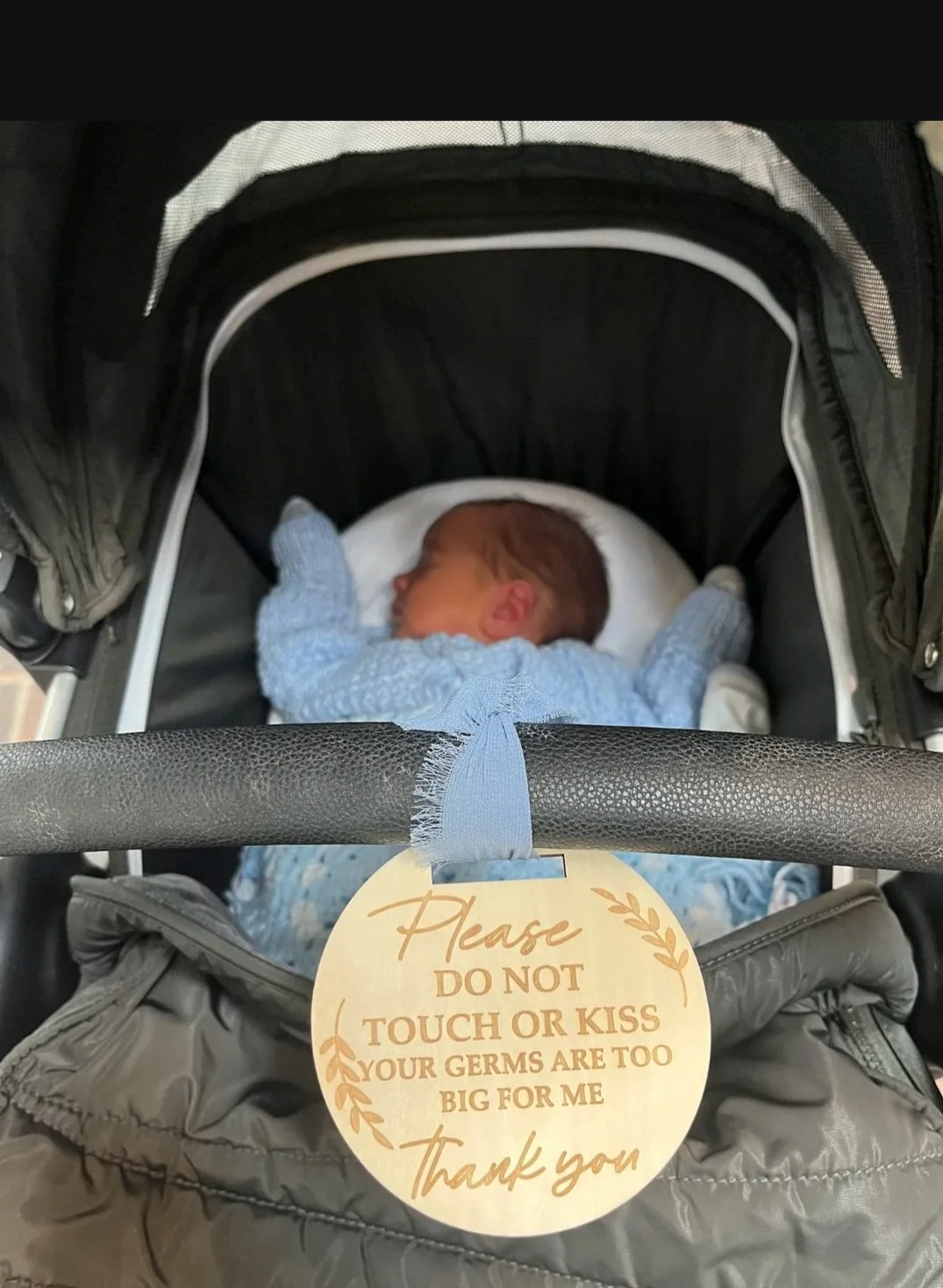
When we finally came home, I didn’t want anyone holding William or coming anywhere near him. I couldn't bear the thought of being separated from him all over again if he became unwell and had to be readmitted. The house felt on edge, as though it would all go wrong at any moment. To cope, I kept the feeding chart we used in SCBU and secretly logged the details in the notes app on my phone—the time he fed, the amount offered, and how much he took—convinced he would have to go back.
Even though William’s Moses basket was right next to my bed, just centimeters away, I secretly took his babygrows, muslin cloths, or anything that smelled like him under my pillow to sleep, just as I had done with the bonding squares in the hospital. I did this because I was absolutely terrified that he was still unwell, that nobody had picked up on it, and that he would die. I desperately wanted to hold onto something that smelled like him.
4 Months Old: Nightmares and Guilt
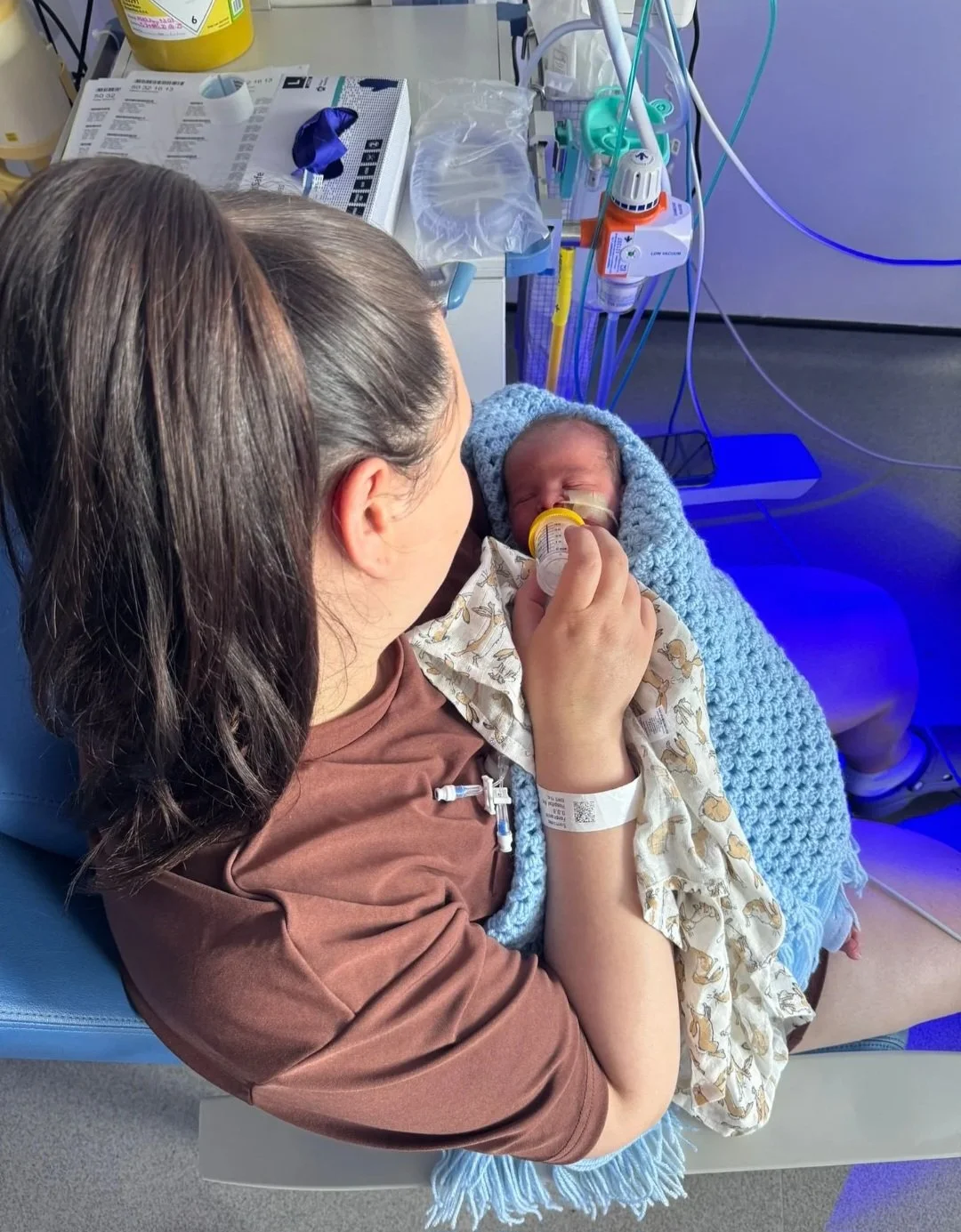
When William was around 4 months old, the nightmares began. They always involved William alone in an incubator while I was unable to get to him. I would wake up drenched in sweat and sometimes crying, rushing to check on him because it felt so incredibly real. I began to dread going to sleep despite feeling completely exhausted.
Then came the self-blame. Because I had experienced high blood pressure and gestational diabetes during pregnancy, I convinced myself that William being poorly at birth was entirely my fault. I started to believe everyone was against me, feeling completely cut off and isolated from those around me.
I became deeply insecure about my parenting, believing I wasn't as competent as my partner or even my own parents. I beat myself up over the fact that we didn't get to have skin-to-skin contact in a relaxed, calming environment like you are told is vital, and I terrified myself into thinking William wouldn't bond with me because his life started alone in an incubator. I was super alert all the time, living as if my children and I were in constant danger, overthinking every possible bad thing or freak accident over and over.
Seeking Help and Recognising Triggers
Realising I needed support, I went to the GP. They told me I had postpartum depression and referred me back to the health visitor. A mental health visitor came to my home, recognised that I was experiencing heightened anxiety, and referred me to talking therapies.
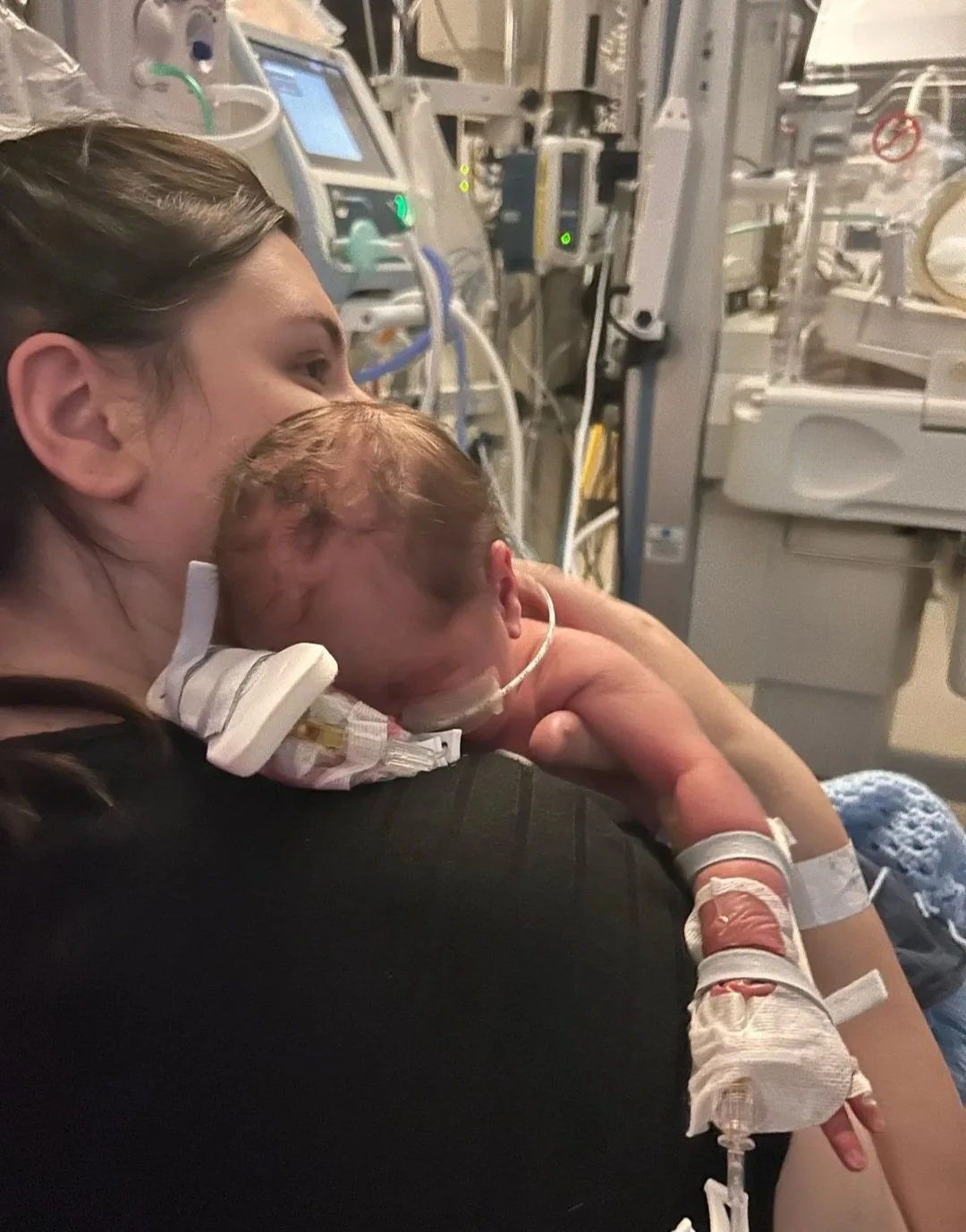
Around this time, the trauma began manifesting physically. I went into a supermarket and had a full panic attack at the self-checkout because the beeping sound took me straight back to the NICU. I felt embarrassed and scared of my own reactions—in reality, my baby was now happy and healthy, yet my body was trapped in the past.
I decided to self-refer to Making Miracles and completed eight counselling sessions where I finally began to open up. Following that, talking therapies officially diagnosed me with neonatal PTSD, and I began Cognitive Behavioural Therapy (CBT).
Even in therapy, everyday life was full of triggers:
• Heat: If my body became too hot, I would get flashbacks of the intense heat inside the SCBU.
• Noises: Whenever I heard a car door slam, the loud noise took me straight back to the heavy HDU doors opening, making me jump out of my skin.
• Smells: The smell of hand-sanitiser immediately sent my body into a fight-or-flight response.
• Crying: William crying was a massive trigger, instantly taking me back to the moments he cried while getting a cannula inserted or a blood prick test done.
The Haunted Memory and Returning to Work
As my maternity leave drew to an end, the memories intensified. While no one ever feels truly ready to return to work, my mind literally couldn't grasp how I was supposed to return when my brain was still operating as though we were trapped in the SCBU. My heart felt like it was being ripped out of my chest all over again, and the memory of the first time I left William in the incubator completely took over.
That night truly haunted me. I remembered examining his beautiful face before leaving, taking in every detail: his tiny fingers, his dark hair, and the chubby cheeks that looked just like his sister’s when she was born. Because William was on a bili blanket, he had a mask on. It broke me to think that he wouldn't even know I had gone, and that he would be scared and alone. It made me feel like the worst mother in the world. Leaving a baby who had been inside my belly for months—knowing only my heartbeat and voice—felt like the most unnatural thing in the world. I honestly thought I was going to die from a broken heart.
For months, that exact night played on a loop in my mind. It would take me straight back to that room, my heart racing, sobbing and sweating, experiencing it as if it were happening all over again in the present moment.
13 Months Old: Confronting the Fear and Finding Purpose
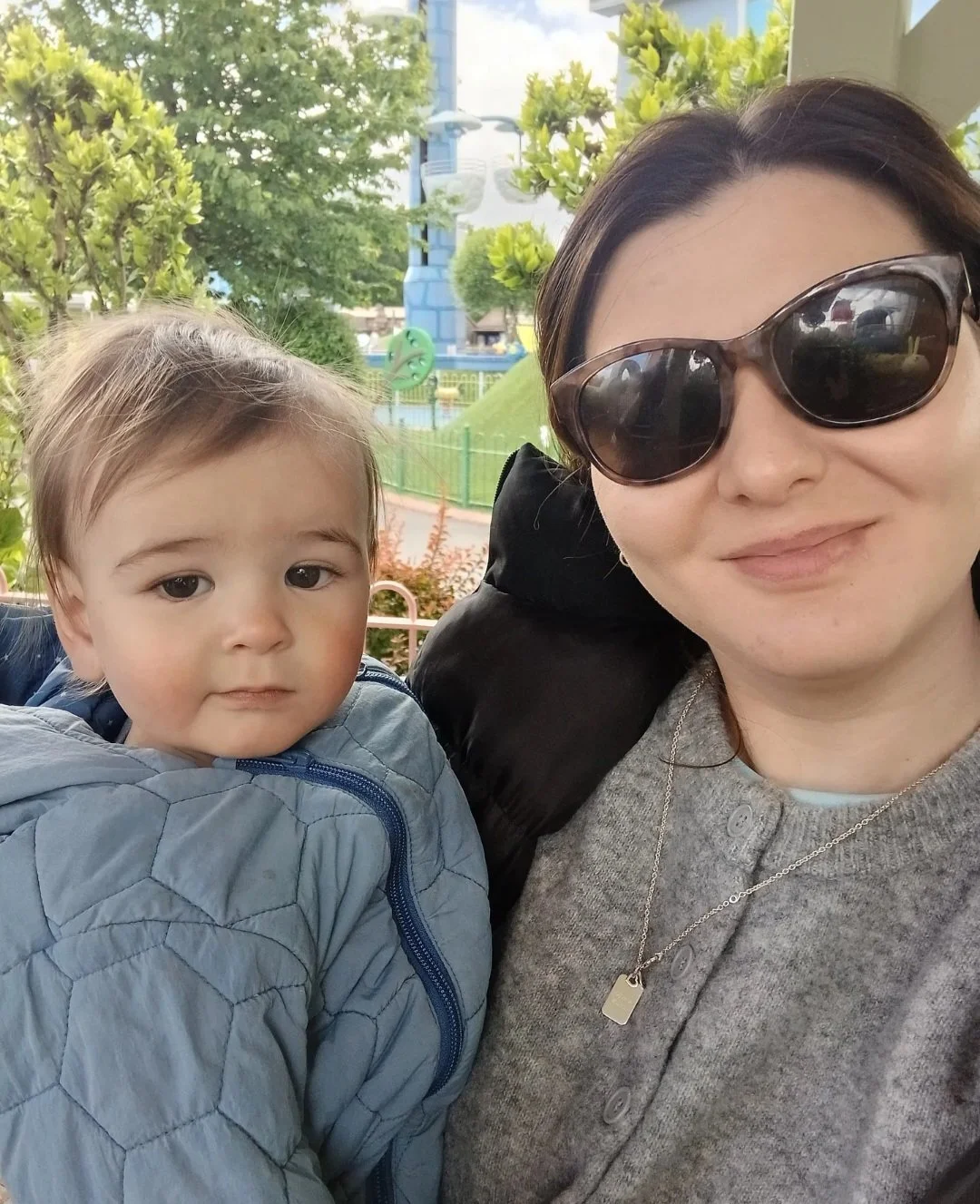
Today, William is 13 months old, and I am still in active treatment with my psychotherapist. As part of my therapy recommendations, I recently completed a site visit back to the unit. I was completely dreading it; I felt sick to my stomach returning to the place where I had known so much fear. But when I got there, what I was truly reminded of was not just the fear, but the brave, phenomenal parents who are currently in that unit doing their absolute best for their babies.
The stigma surrounding maternal mental health needs to be broken. The more we speak about it, the more awareness we raise, and the more help will become available to those who need it. I used to feel so much shame and guilt for needing help. Now, my belief is that if sharing my story can help just one parent who feels the way I felt, opening up is completely worth it.
Although my baby is no longer physically in that unit, I believe a piece of my heart will always stay there—feeling the raw emotion, but also celebrating the wins and milestones of the families who are there now. It truly never leaves you. But when you can recognise that it is simply a part of your baby’s unique journey into the world, and you find the strength to face it, you realise you can truly face anything.
We’re very grateful to Chloe for sharing her story so openly and helping to raise awareness of the lasting impact a neonatal experience can have on parents and families.
If Chloe’s story resonates with you, or you’re looking for support during or after your own neonatal journey, our More Information & Support page brings together organisations, resources and information that may help.